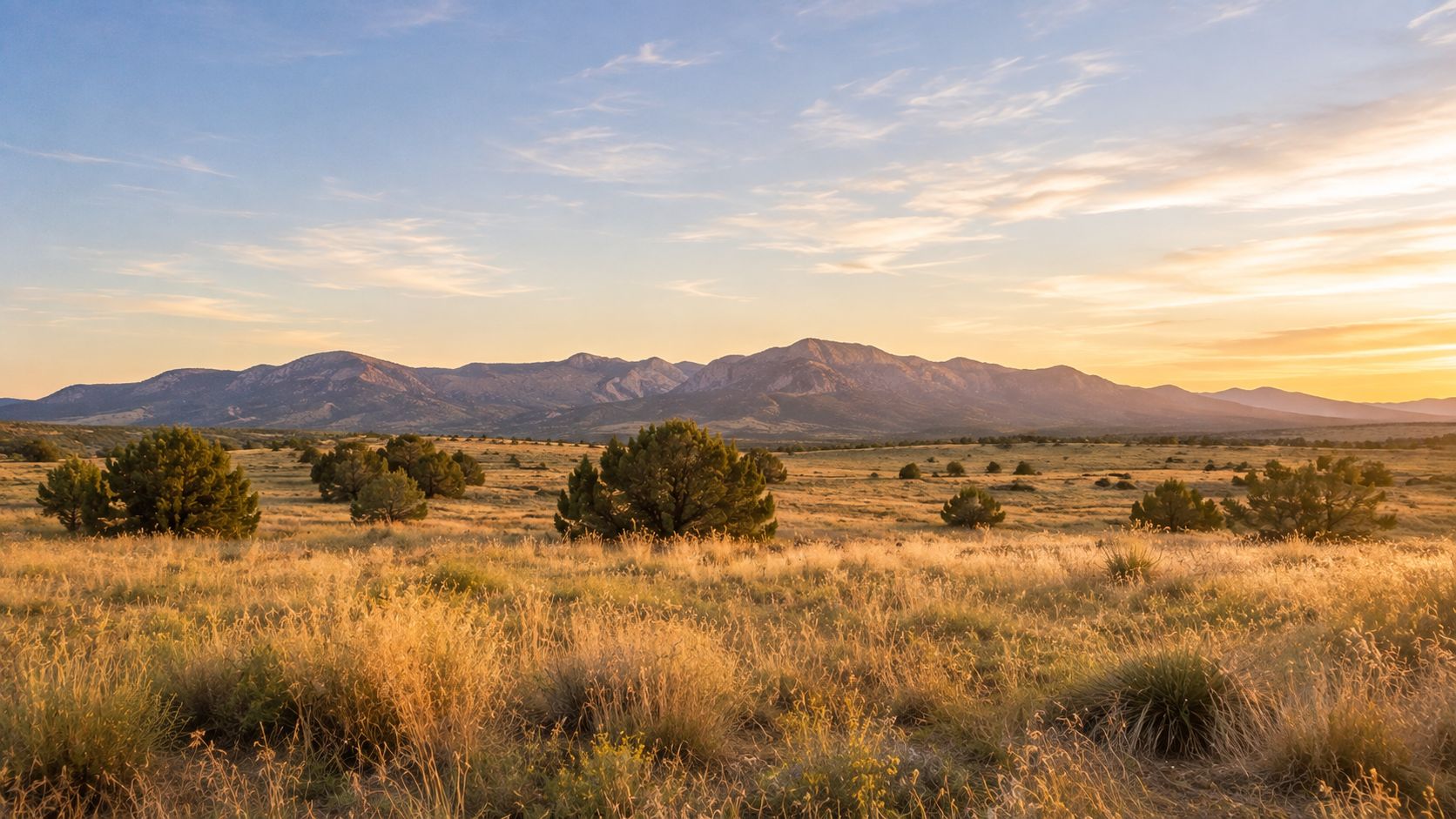
Buying a lot or raw land to build in the Prescott area
Buying a lot or vacant land to build in the Prescott area, checked out before you commit.
How we buy
See the R.E.A.L. method
The full plan behind every purchase: how we get you ready, clear, focused, and locked in.
Buying land to build is its own project
Buying a lot to build on is exciting, and it is where the costly surprises hide. The purchase price is only the opening number. What decides whether the project works is what the ground will give you, what it takes to get water, power, and waste to a building spot, and what the county and the neighborhood rules will let you do. A parcel can look beautiful and still be hard or expensive to build on. Another can look plain and be ready to go. Telling those two apart before you commit is the whole game, and it is what Ben Zallaha helps land buyers do.
Ben guides buyers who want to build across Prescott Valley, Chino Valley, Dewey-Humboldt, and Mayer. Land is one of his specialties, so instead of falling for a view and finding out the hard way, you buy a lot that will actually build the way you picture it. Home Team Prescott brings the same detail-first approach to a bare parcel that we bring to every purchase, and it matters most where the unknowns are highest.
Start your land search
Buildability: what the ground has to give you
Before anything else, a lot has to be buildable, and not every acre is. Ben helps you read the land itself before you make an offer:
- Slope, since a steep lot can mean expensive grading, retaining walls, and a longer driveway before you ever pour a foundation
- Usable area, meaning how much of the parcel you can actually build on once you account for the terrain
- Washes and drainage, because a wash running through a lot can limit where you build and trigger extra requirements
- Soil and rock, which decide how hard and how costly the foundation and the digging will be
- The building envelope left after setbacks, easements, and any no-build zones are subtracted
A honest look at buildability separates a lot that pencils out from one that will drain the budget before the framing starts. This is the part a listing photo never shows, and the part Ben makes sure you understand while you can still walk away.
Water, power, and waste: getting utilities to the lot
A finished neighborhood hides all of this. Raw land does not. Getting a lot ready to live on means solving for water, power, and waste, and the answer changes the budget and the timeline more than almost anything else. Ben walks it through with you:
- How far power runs, and what it costs to bring a line to the building site, or whether solar and a battery make more sense for an off-grid lot
- Whether a water company can serve the lot, or whether you will drill a private well, and what wells in that pocket tend to cost and yield
- Whether the ground will support a septic system, since a home with no sewer needs one
- Well and septic feasibility, including the perc test that tells you if the soil will pass for a septic design
The perc test matters more than most first-time land buyers realize. If the soil will not perc, the septic plan and the whole build get complicated. Ben helps you get these answers early, ideally before you are fully committed, so a lot that cannot easily get water or a septic approval does not become your problem after closing.
Zoning, setbacks, and CCRs
Land comes with rules, and they decide what you can put on it. Zoning sets whether the lot allows a single home, a guest house, animals, or a shop, and whether it could ever be split. Setbacks pull your buildable area in from every property line and can shrink the footprint you were planning on. On top of the county rules, many parcels sit inside a subdivision or an association with its own recorded restrictions, called CCRs, that can govern home size, materials, outbuildings, and more. Ben reads all of it with you before you write an offer, so the home you are picturing is actually one the lot will allow. Nothing sours a build faster than discovering the shop, the second dwelling, or the animals you wanted are not permitted where you bought.
The true cost to develop a lot, beyond the purchase price
The purchase price is the part everyone sees. The development cost is the part that decides whether the project makes sense, and it is where buyers who skip the homework get hurt. Beyond what you pay for the dirt, a buildable lot can carry the cost of a driveway or access road, grading, bringing power in or setting up solar, drilling a well, installing a septic system, permits and impact fees, and the build itself. Two lots at the same price can be thousands of dollars apart once you add all of that up. Ben helps you estimate the real cost to get from bare land to a finished home, so you compare parcels on the total, not the sticker. That is how you avoid buying the cheap lot that turns out to be the expensive one.
How land and construction financing works
Financing raw land is not the same as financing a house, and planning for that early keeps the whole project on track. Raw land and lots often need a land loan with different terms and a larger down payment, because a lender has less to secure against than a finished home. When you are ready to build, a construction loan funds the work in stages and usually converts to a regular mortgage once the home is done. Some buyers pay cash for the lot and finance only the build. Ben helps you think through which path fits, and connects you with local lenders who understand land and construction here, so the money lines up with the timeline instead of holding it up. If you are moving in from the Valley or out of state, start with relocating to the Prescott area to get your bearings first.
And if a lot to build on is not quite the plan, and you would rather buy something with a home already on it, here is how we help buyers of homes on land and acreage. When you are ready to look at building sites, contact the team and Ben will start the search with you.
Frequently Asked Questions
How do I know if a lot is actually buildable?
You look at slope, usable area, washes and drainage, soil and rock, and the building envelope left after setbacks and easements. Ben walks the land with you and reads these before you make an offer, so you know what you are buying.
What is a perc test and why does it matter?
A perc test checks whether the soil will absorb water well enough to support a septic system. If a lot will not perc, the septic plan and the whole build get harder. Ben helps you confirm well and septic feasibility early, ideally before you are committed.
What costs come after buying the land?
Beyond the purchase price, a lot can carry a driveway or access road, grading, power or solar, a well, a septic system, permits and impact fees, and the build itself. Ben helps you estimate the true cost to develop so you compare parcels on the total.
Is land financed the same as a regular home?
Not usually. Raw land often needs a land loan with a larger down payment, and building typically uses a construction loan that converts to a mortgage. Ben helps you plan the path and connects you with local lenders who know land and construction here.
Keep exploring
Ready to make your move with Home Team Prescott?